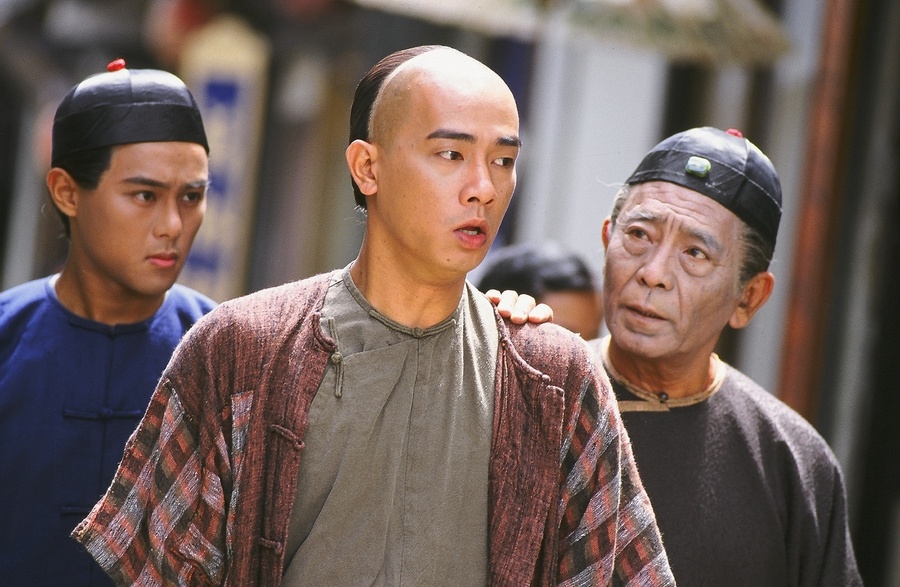
The Deer and the Cauldron
Overview
The Deer and the Cauldron is the last martial arts novel by the celebrated Chinese author Louis Cha Leung-yung, better known by his pen name Jin Yong. Written between 1969 and 1972, the novel diverges from traditional wuxia themes by presenting an anti-hero protagonist and intertwining historical facts with fictional storytelling. The novel is recognized for its unique narrative style, rich character development, and complex plot, solidifying Jin Yong's status as a master of martial arts literature.
Plot Summary
The story is set during the reign of Emperor Kangxi in the Qing Dynasty (1644-1911) and follows the adventures of Wei Xiaobao, a cunning, resourceful, and often morally ambiguous protagonist who rises from rags to riches. Unlike typical wuxia heroes, Wei Xiaobao lacks martial arts skills and noble intentions. Instead, he relies on his wit, deceit, and luck to navigate the treacherous political landscape and survive various challenges. The novel explores themes of loyalty, power, and the blurred lines between good and evil.
Major Characters
-
Wei Xiaobao: The central character of the novel, an anti-hero who is street-smart rather than skilled in martial arts. His journey from a brothel waiter to becoming an influential figure at the Qing court forms the crux of the narrative.
-
Emperor Kangxi: The young Qing emperor who develops a complex relationship with Wei Xiaobao. Their interactions highlight the political intrigue and power dynamics of the Qing court.
-
Oboi: A powerful and corrupt military officer who becomes one of Wei Xiaobao's primary antagonists. His greed and ambition for the throne make him a formidable foe.
-
The Seven Wives of Wei Xiaobao: Each wife represents different facets of Wei Xiaobao’s life and his ability to charm and manipulate those around him for personal gain.
Themes
The Deer and the Cauldron challenges the conventional hero narrative common in wuxia literature. Wei Xiaobao’s character subverts expectations with his lack of traditional heroism, reflecting a more realistic and cynical view of the world. Themes of loyalty and betrayal are interwoven throughout the narrative, examining how personal ambitions and moral ambiguity can influence one's actions. The novel also delves into the relationship between history and fiction, using historical events as a backdrop to explore broader social and political issues.
Literary Significance and Adaptations
Jin Yong's departure from traditional martial arts narratives in The Deer and the Cauldron has been widely acclaimed for its innovative approach to storytelling. It is frequently adapted into films, television series, and stage productions, further cementing its influence in Chinese popular culture. The novel's rich narrative and complex characters have made it a subject of academic study and a beloved classic among readers globally.
Cultural Impact
The Deer and the Cauldron continues to resonate with audiences due to its engaging storytelling and the universal themes it addresses. The novel's anti-hero protagonist and intricate plot have inspired numerous adaptations and reinterpretations, maintaining its relevance in contemporary culture. It has contributed significantly to the evolution of the wuxia genre, influencing new generations of writers and filmmakers. The novel's ability to blend historical events with fictional narratives provides a unique lens through which readers can explore Chinese history and culture.
Author Background
Louis Cha Leung-yung, known by his pen name Jin Yong, was a prolific Chinese writer and journalist, born in 1924 in Haining, Zhejiang province. He began his career as a journalist before venturing into writing wuxia novels. From 1955 to 1972, he wrote 15 novels and a short story that became widely popular across Chinese-speaking regions and beyond. His works have been translated into multiple languages, making him one of the most influential writers in Chinese literature. Beyond his literary achievements, Cha played a significant role in promoting cultural exchange between Hong Kong and the Chinese mainland. He passed away in 2018, leaving behind a legacy that continues to inspire readers and creators worldwide.
Adaptations and Popularity
The Deer and the Cauldron has been adapted into numerous films, television series, and stage productions, reflecting its enduring appeal. The character of Wei Xiaobao, with his unconventional heroism, has captured the imagination of audiences and creators alike. The novel's adaptations often highlight its humor, intrigue, and the dynamic interplay between characters, bringing Jin Yong's captivating world to life on screen and stage.
Historical Context
The setting of The Deer and the Cauldron during the Kangxi Emperor's reign provides a rich historical context that enhances the novel's depth. The Qing Dynasty (1644-1911) was a period marked by consolidation of power, cultural integration, and territorial expansion. Jin Yong skillfully weaves historical figures and events into the narrative, creating a tapestry that reflects the socio-political complexities of the era. This historical grounding adds authenticity to the novel's fictional elements, offering readers insights into the intricacies of imperial China.
Character Analysis
Wei Xiaobao's character is a study in contradictions. His lack of martial prowess contrasts with his ability to manipulate his way through dangerous situations. This subversion of the typical wuxia protagonist challenges readers' perceptions of heroism and morality. Wei Xiaobao’s relationships, particularly with Emperor Kangxi and his seven wives, serve as vehicles for exploring themes of loyalty, power, and human nature. Each relationship reveals different facets of his personality and highlights his cunning, pragmatism, and occasional moments of genuine emotion.
Influence on Popular Culture
The novel's influence extends beyond literature into various forms of media. Its adaptations have contributed to the popularization of Jin Yong's works globally, introducing new audiences to the wuxia genre. The story’s intricate plot, memorable characters, and blend of humor and drama have made it a favorite among fans of Chinese literature and cinema. The novel's anti-hero narrative has also inspired other creators to explore unconventional protagonists in their storytelling, further cementing The Deer and the Cauldron as a seminal work in the wuxia canon.
Translations and Global Reach
Despite the challenges of translating Jin Yong's intricate narratives and cultural nuances, The Deer and the Cauldron has reached international audiences through various translations. These efforts have helped introduce Jin Yong’s unique storytelling to readers worldwide, allowing them to experience the rich tapestry of Chinese culture and history depicted in his works. The novel’s universal themes of ambition, loyalty, and the complexities of human nature resonate with readers across different cultures, contributing to its global appeal. Article reference1. A novel luminary of martial arts stories. chinadaily.com.cn. 20242. Author who gave culture a new plot. chinadaily.com.cn. 20223. Louis Cha's acclaimed trilogy to be translated into English. chinadaily.com.cn. 2017Photo Gallery(2 pictures)CategoriesLiteratureTagChinese Classical LiteratureModern and Contemporary LiteratureRelatedLouis Cha Leung-yungCatalogue1. Overview2. Plot Summary3. Major Characters4. Themes5. Literary Significance and Adaptations6. Cultural Impact7. Author Background8. Adaptations and Popularity9. Historical Context10. Character Analysis11. Influence on Popular Culture12. Translations and Global Reach- - - []








